
may 05
Important ITG Announcement
In light of the women who have recently come forward to share their stories of assault and harassment, the International Trumpet Guild (ITG) feels it necessary to speak out.
MORE
In light of the women who have recently come forward to share their stories of assault and harassment, the International Trumpet Guild (ITG) feels it necessary to speak out.
MORE
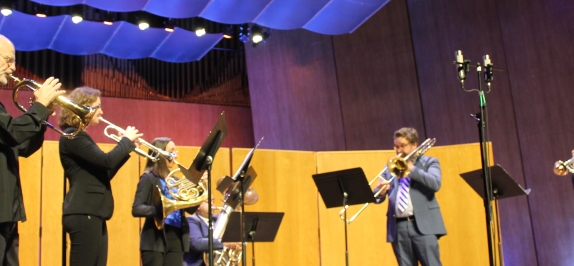
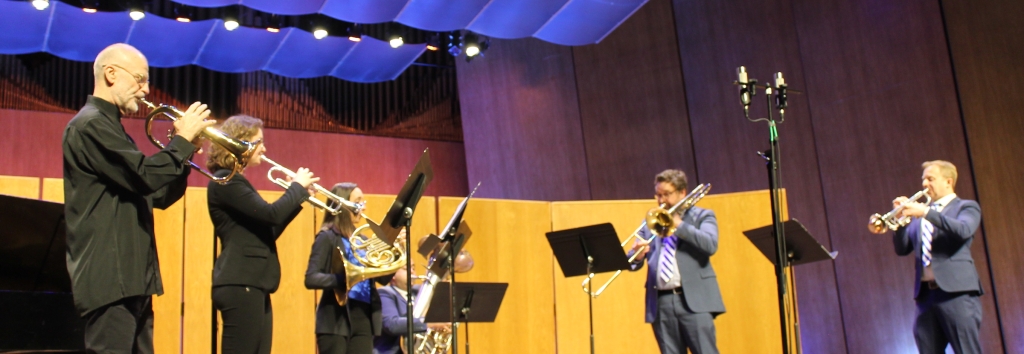
Greek trumpeter Sokratis Anthis was a guest artist at the University of Kentucky (UK) March 18–21, 2024.
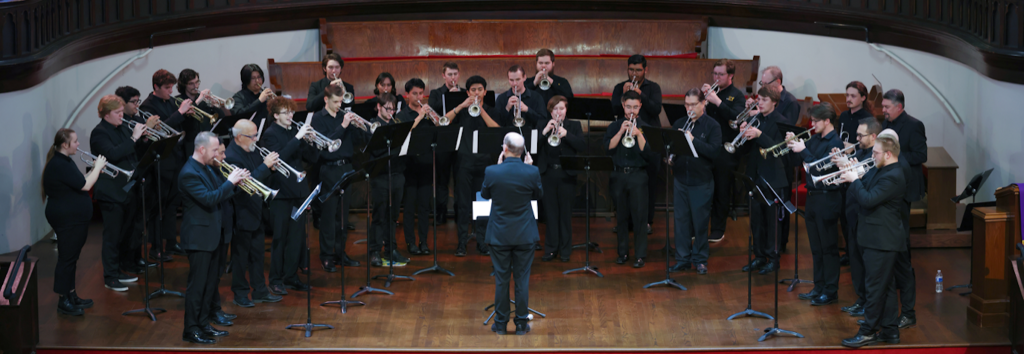
MOREThe Ohio State University School of Music announces an expected vacancy for a Graduate Teaching Associate in trumpet beginning in August 2015. Duties may include teaching the brass methods course, applied teaching, performing in university ensembles, conducting/rehearsing the OSU Trumpet Ensemble, and other duties as assigned. This position currently pays approximately $13,689 yearly plus a full tuition waiver. Previous GTA’s in this position have gone on to successful careers in symphony orchestras, military bands, and university teaching positions throughout the country.
As one of the largest universities in the world, The Ohio State University offers a wealth of resources on its beautiful campus. In the midst of this educational community, the School of Music is part of the College of Arts and Sciences, the academic heart of Ohio State. The School is a unit large enough to take advantage of the endless possibilities provided by a world-class university, yet small enough to attend to the individual needs of its students. Its faculty of more than sixty professors, including nationally and internationally recognized performing artists, composers, scholars, and master teachers, serves a student body of approximately 400 undergraduate and 200 graduate music majors, as well as serving the needs of as many non-music majors. For more information about the OSU School of Music, visit our web site at: http://music.osu.edu
This position is contingent upon continued funding. For more information regarding the GTA position, please contact: Timothy Leasure, Professor of Trumpet at: Email: [email protected] or Phone: 614-292-2870
Take advantage of what ITG has to offer: JOIN ITG