
apr 10
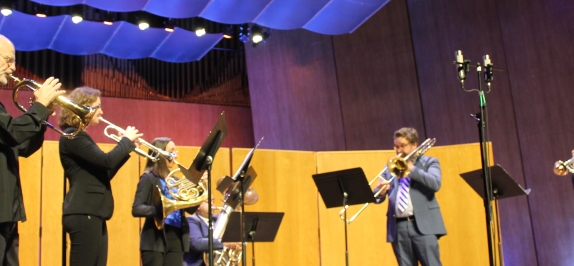
Sokratis Anthis at the University of Kentucky
Greek trumpeter Sokratis Anthis was a guest artist at the University of Kentucky (UK) March 18–21, 2024.
MORE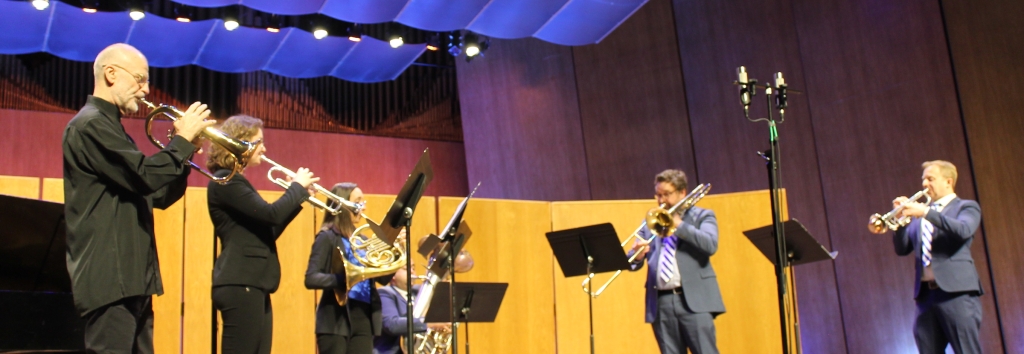
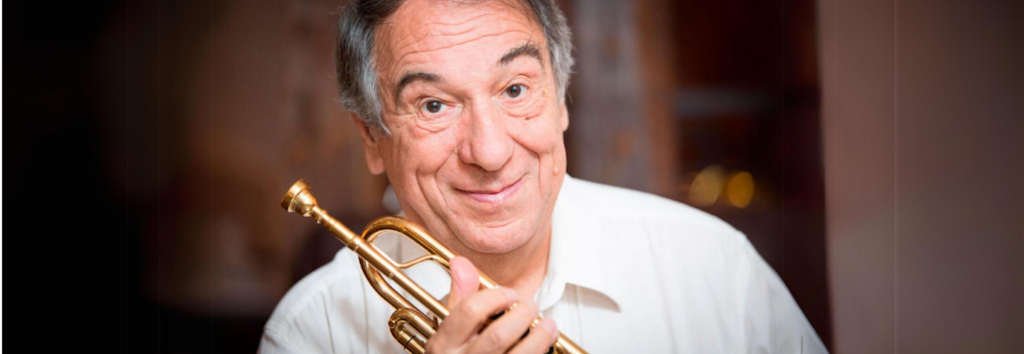
Greek trumpeter Sokratis Anthis was a guest artist at the University of Kentucky (UK) March 18–21, 2024.
MORE
The International Trumpet Guild is pleased to announce an extension for the 2024 Ellsworth Smith Solo Trumpet Competition. The deadline for registration is now May 15, 2024. Any questions may be directed to [email protected].
MORE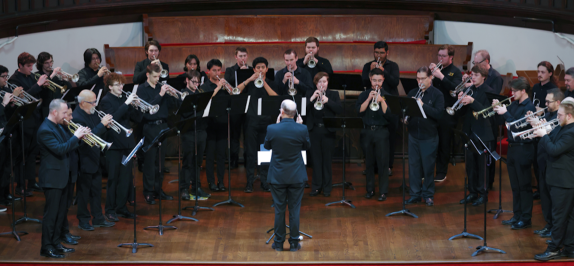
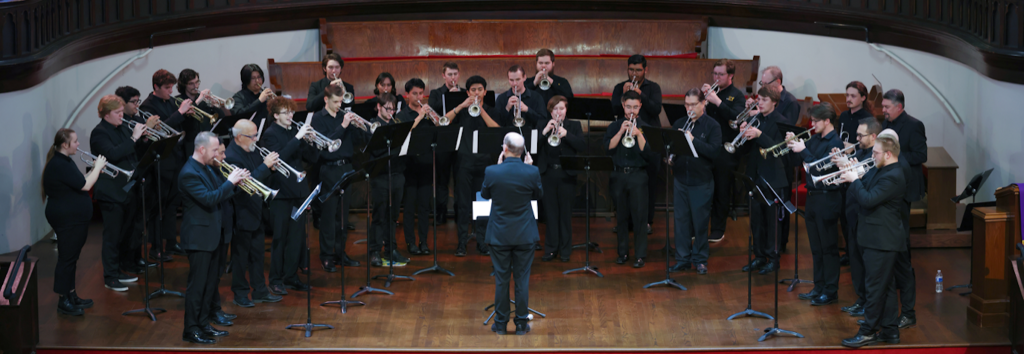
The splendid sounds of the trumpet filled the sanctuary of the First Presbyterian Church of San Angelo on Sunday, February 25 as the Lone Star State Trumpet Guild presented “Music for Trumpets Across the Centuries.”
MOREElkhart, Indiana – Sonaré Brass announces its new TRB-802, the latest pro trumpet, which debuts this month at the Midwest Band and Orchestra Clinic in Chicago, Illinois.
Sonaré Brass collaborated with artists and brass design veteran Fred Powell to create the new TRB-802. Extensive play testing and evaluation of different bell tapers, weights, and materials resulted in the development of this new horn. One of the most distinctive elements of the 802 is its one-piece, hand-hammered lightweight bell constructed of rose brass. The rose brass material coupled with a lightweight design has become increasingly popular amongst professionals for its timbre and flexibility. Additional features of the TRB-802 include a 0.460" bore, Monel pistons with patented MicroLok® adjustable valve guides, and the option of a standard or reverse tuning slide. All TRB-802 models are available in raw brass, lacquer, or silver finish.
Brass Product Manager, Brendan Crise, describes the new TRB-802 as a "quick responding, full sounding horn that speaks easily at low volumes and really lights up when pushed." Versatility, craftsmanship, and response were praised after initial play testing by area professional Steve Allen (adjunct faculty at the University of Notre Dame and St. Mary’s College, as well as director of Truth in Jazz Big Band):
"The 802 is a great, free-blowing instrument that will meet the needs of all genres of performance. The Sonaré TRB-802 instrument speaks well in all registers and is wonderfully responsive at all dynamic levels. Anyone, professional or student would be happy with this finely crafted horn."
Source: Brendan Crise, Blessing Brass
Take advantage of what ITG has to offer: JOIN ITG