
apr 10
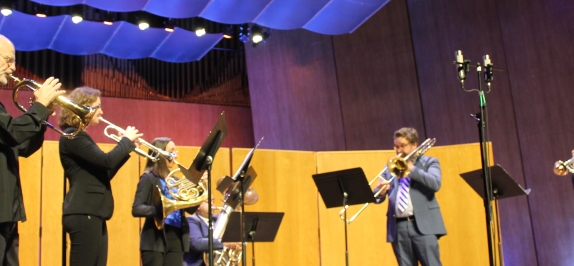
Sokratis Anthis at the University of Kentucky
Greek trumpeter Sokratis Anthis was a guest artist at the University of Kentucky (UK) March 18–21, 2024.
MORE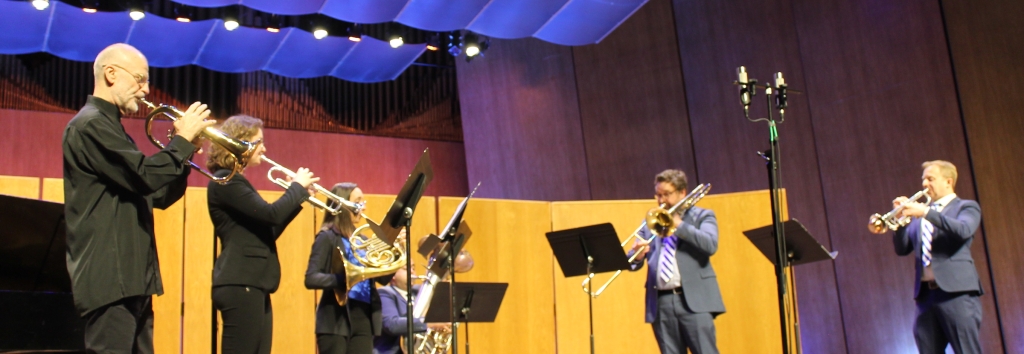


Greek trumpeter Sokratis Anthis was a guest artist at the University of Kentucky (UK) March 18–21, 2024.
MORE
The International Trumpet Guild is pleased to announce an extension for the 2024 Ellsworth Smith Solo Trumpet Competition. The deadline for registration is now May 15, 2024. Any questions may be directed to [email protected].
MORE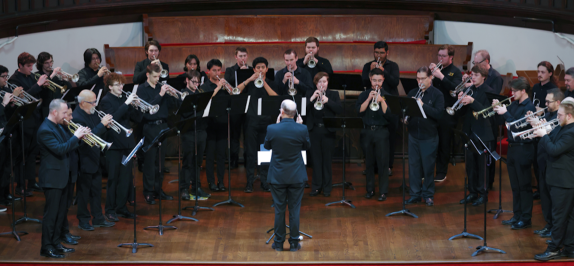
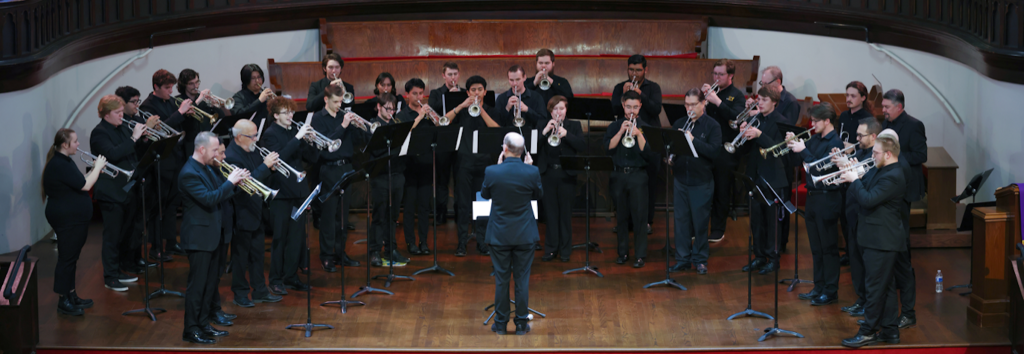
The splendid sounds of the trumpet filled the sanctuary of the First Presbyterian Church of San Angelo on Sunday, February 25 as the Lone Star State Trumpet Guild presented “Music for Trumpets Across the Centuries.”
MOREGraduate Assistantship
University of Louisville
The School of Music at the University of Louisville has an immediate opening for a Graduate Assistantship for the University of Louisville Trumpet Studio.
Duties to include:
Assist the trumpet and brass faculty with teaching, studio and area logistics as well as performance duties as assigned. The successful candidate will be an effective teacher and motivator of university students with varying levels of experience. The Graduate Assistant should be able to teach & perform in a variety of styles, have a brass pedagogical framework as well as great organizational skills.
Qualifications:
Admission to the University of Louisville Graduate program and School of Music; completion of an audition in front of the trumpet and brass faculty.
Application Process:
A complete application for the University of Louisville Graduate Program and the Assistantship includes: a letter requesting consideration for the assistantship, a Graduate School application form (http://louisville.edu/music/apply/graduate), two letters of recommendation, official undergraduate transcripts, scores from the aptitude section of the Graduate Record Examination, playing audition and a personal interview. For application and recommendation forms or additional information, contact:
Laura Angermeier, Senior Academic Counselor
[email protected]
502-852-1623
http://louisville.edu/music/apply/graduate
Dr. Michael H. Tunnell, Professor of Trumpet
[email protected]
502-852-7857
http://louisville.edu/music/
Take advantage of what ITG has to offer: JOIN ITG