
apr 10
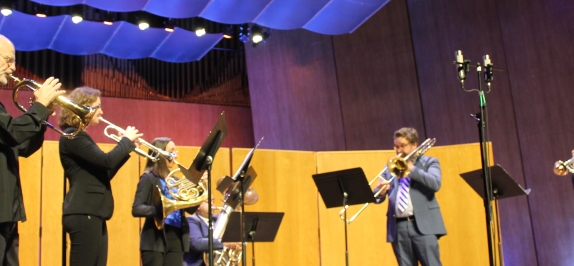
Sokratis Anthis at the University of Kentucky
Greek trumpeter Sokratis Anthis was a guest artist at the University of Kentucky (UK) March 18–21, 2024.
MORE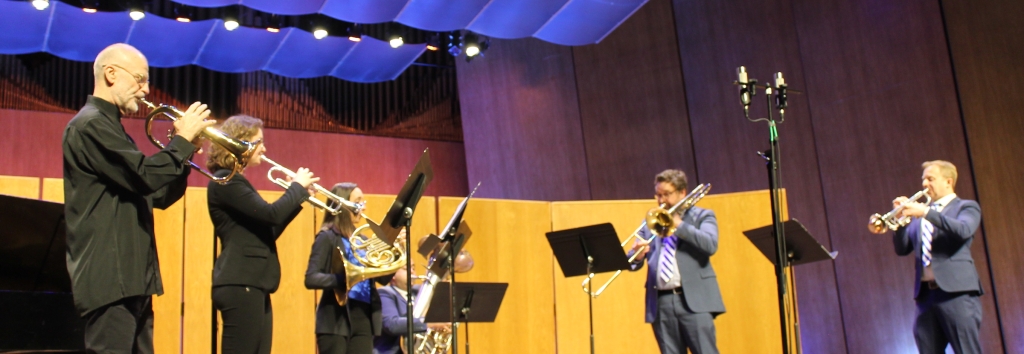

Greek trumpeter Sokratis Anthis was a guest artist at the University of Kentucky (UK) March 18–21, 2024.
MORE
The International Trumpet Guild is pleased to announce an extension for the 2024 Ellsworth Smith Solo Trumpet Competition. The deadline for registration is now May 15, 2024. Any questions may be directed to [email protected].
MORE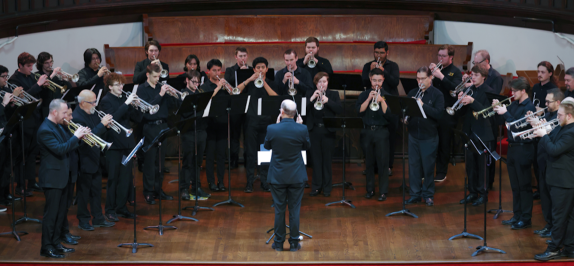
The splendid sounds of the trumpet filled the sanctuary of the First Presbyterian Church of San Angelo on Sunday, February 25 as the Lone Star State Trumpet Guild presented “Music for Trumpets Across the Centuries.”
MOREThe Mary Morgan Moore Department of Music at Lamar University announces a graduate assistantship in trumpet to begin in August 2014.
Qualifications: Bachelor’s degree in music from an accredited university and admission to the Graduate program at Lamar University.
Duties: Perform in the Lamar Faculty Brass Quintet. The LFBQ is the premier faculty ensemble of the university and is frequently featured at various community and university functions. Each semester the LFBQ performs on faculty recitals, in regional high schools, and in the Beaumont and Houston area. Other responsibilities for the candidate include performing with the University Wind Ensemble, Lamar Civic Orchestra, and assisting with weekly studio classes.
Scholarship/Stipend: $8,200 (plus tuition and fees) scholarship awarded for each 9-month appointment and is renewable for a second year, dependent upon continued compliance with the scholarship contract. Additional consistent income from teaching private lessons is highly likely due to the strong support of local band directors.
Audition: Please send a brief resume and several mp3 recordings of contrasting literature from the standard repertoire of solos, etudes, and orchestral excerpts no later than March 1, 2014. Qualified candidates will be invited to audition on campus with the LFBQ. Quintet music for the in-person audition will be provided in advance.
Please direct inquiries and materials to Dr. Brian Shook: [email protected] or 409-880-8070.
Take advantage of what ITG has to offer: JOIN ITG